
1. Beyond scripts: smarter automation
The problem with old-school bots is their reliance on rigid flows. They expect questions to match pre-set scripts, and when they don’t, employees are stuck. AI-powered chatbots change that game by using natural language processing (NLP) to understand the intent behind a query, even when it is phrased differently. Instead of saying, “Sorry, I don’t understand,” they can recognize context, offer clarifications, and guide users to the right outcome. This means fewer dead ends and more confidence that the bot can actually help.
2. Keeping communication consistent
In large organizations, inconsistency in support is a silent productivity killer. One employee gets one answer from IT, another receives a different one from HR, and suddenly workflows stall. AI-driven chatbots restore consistency. They centralize knowledge and deliver aligned, accurate responses every time. Whether it’s explaining company policies, directing employees to the right form, or flagging IT steps, employees can trust the message is correct, up to date, and company approved.
3. Scaling without burning out
Every support team knows the fatigue of answering the same question hundreds of times a week. “How do I reset my password?” “Where’s the latest travel policy?” Automating these FAQs through chatbots frees up human experts to focus on high-value, complex issues that require judgment and empathy. Instead of burnout, your support team becomes strategic. Employees benefit from instant answers to routine problems while still having access to real people when they need it most.
4. Personalization without overload
Nobody likes generic copy-paste replies. What makes AI chatbots powerful is their ability to tap into employee profiles, past interactions, and role-specific data. For example, a finance team member asking about reporting deadlines can get answers tailored to their department. A new hire asking about onboarding can receive links relevant to their stage in the employee journey. Personalization does not mean adding complexity; it means removing friction and making the employee feel understood.
5. 24/7 availability, zero burnout
Support questions do not clock out at 6 pm. In global or hybrid organizations, someone always needs help outside traditional office hours. Chatbots bridge that gap by offering reliable, always-on assistance. From time zone to time zone, employees can count on the same level of support without waiting for an email reply the next day. For IT and HR teams, this eliminates the pressure to be “always on,” reducing stress and ensuring employee needs are met promptly and consistently.
6. From reactive to proactive
The next generation of chatbots is not just waiting for someone to ask a question; they are proactively nudging employees with the right information at the right time. Imagine a bot reminding employees of upcoming compliance training, surfacing relevant documents ahead of a project deadline, or spotting patterns in recurring issues and suggesting preventative solutions. By turning support from reactive firefighting into proactive guidance, AI chatbots elevate the employee experience and transform communication into a driver of efficiency.
Powell: bringing AI into the workplace with impact
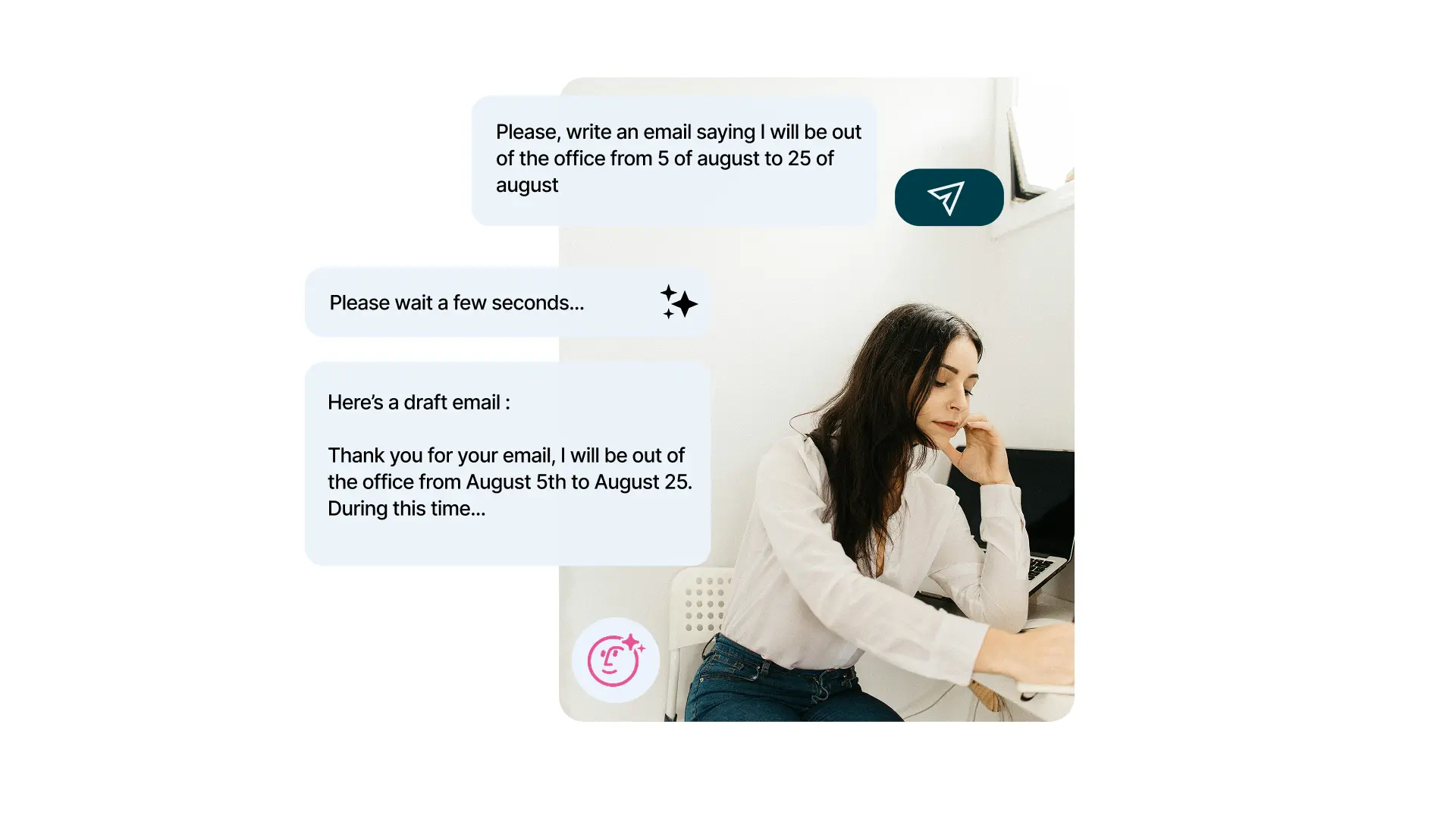
At Powell, we believe automation should amplify the human experience, not replace it. Our intranet solutions integrate AI assistants directly into the digital workplace to make communication clear, governance solid, and collaboration frictionless. Instead of overwhelming employees with information, Powell’s AI guides them to exactly what they need, whether that is the right document, a compliance update, or a quick resolution to an IT issue. With Powell, your intranet does not just host information; it becomes an intelligent workplace companion. The result is a digital environment where employees feel supported, teams stay connected, and organizations thrive with both consistency and clarity.
 Conclusion
Chatbots do not have to be the dreaded black holes of workplace support. When powered by AI, they transform from frustrating scripts into reliable partners that provide consistency, personalization, and proactive guidance. Employees gain fast, accurate answers. Support teams reduce repetitive workloads. And organizations benefit from clearer, more consistent communication. Automating support is not about removing humans from the equation. It is about giving them the freedom to focus where they matter most, while ensuring every employee interaction is efficient, effective, and sanity saving.

Trinity Resting
Product Marketing Manager
Product marketing doesn’t have to be all jargon and slides—Trinity’s here to prove it’s about creating human connections. With 5 years in digital marketing, she’s been scaling, building, and transforming product strategies that resonate with real people. At Powell, Trinity ensures the message isn’t just heard, but felt. She’s passionate about helping teams go beyond the office and build lasting relationships. When she’s not crafting strategies, you’ll find her sipping tea (she’s a self-proclaimed tea-aholic) or working as a professional dog sitter—because, let’s be honest, dogs are the ultimate team players.